
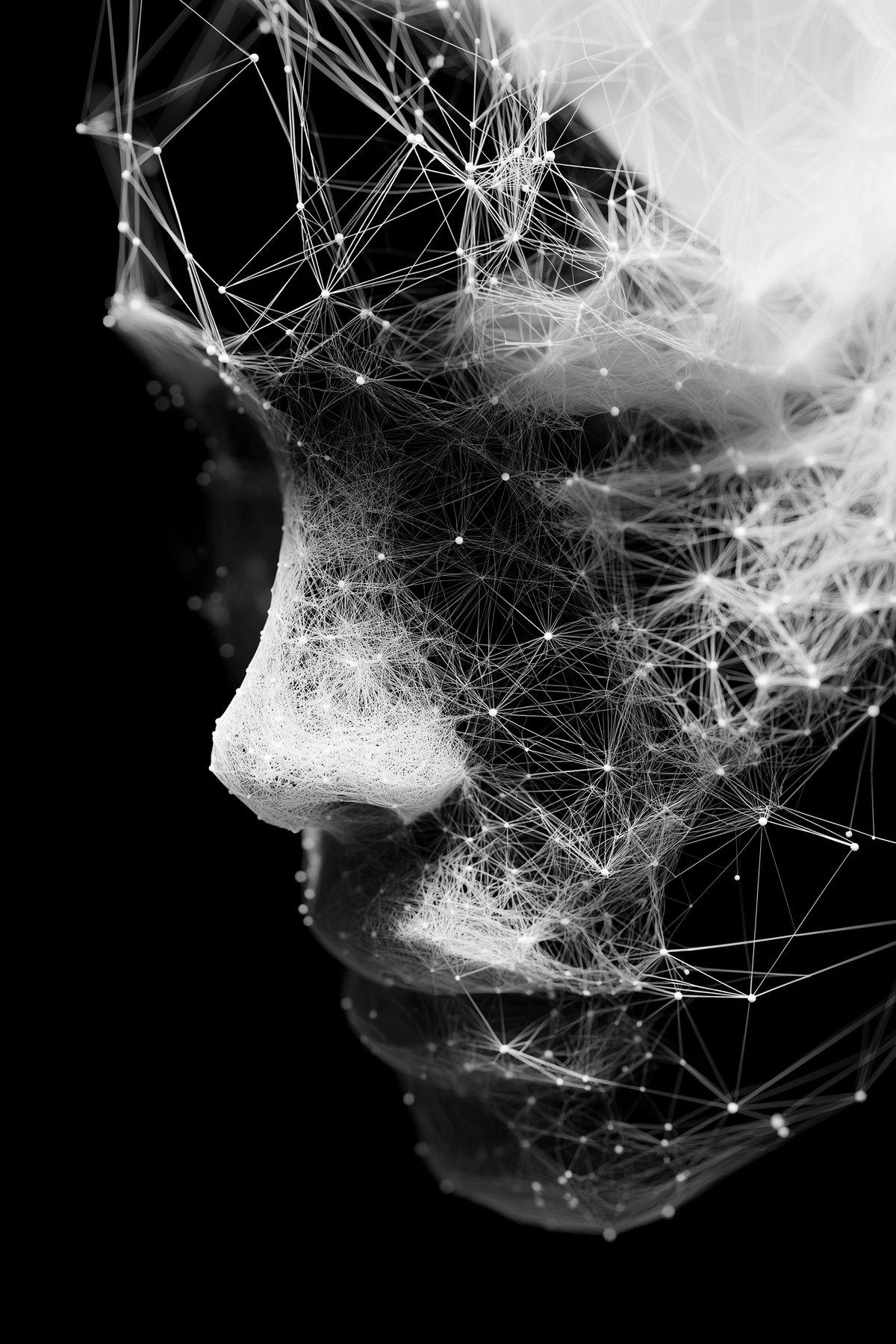
A numeric representation, not an image
A face embedding is a fixed-length vector of numbers — often several hundred dimensions — produced by a neural network from a face image. It's not a compressed photo; it's a mathematical representation of the facial features the network was trained to distinguish.
Why that representation is useful
Two embeddings generated from photos of the same person end up numerically close to each other, while embeddings from different people end up further apart. Comparing two faces becomes a matter of measuring the distance between their embeddings.
A privacy advantage, not just a technical one
Because an embedding isn't a photo, storing one instead of a photo library limits what's exposed if the data is ever compromised — the embedding doesn't straightforwardly reconstruct back into a visible face image.